


The Minimal Effective Dose for Strength Training
Even very small amounts of strength training may be enough to maintain—or even improve—strength. Current research suggests that high effort and intensity matter far more than endless training volume. So how little training do you

Optimizing the Pull-Up for Climbing Performance: A Scientific Perspective
Pull-ups are ≠ pull-ups. This article explores which pull-up capabilities are truly relevant for climbing performance, what these differences actually imply — and what training recommendations can be derived.

Distinct Qualities of Strength in Climbing
Strength in climbing is not a single capacity but consists of distinct qualities expressed under different contraction modes. By differentiating dynamic, isometric, and reactive strength, climbers and coaches can better diagnose performance limitations and design
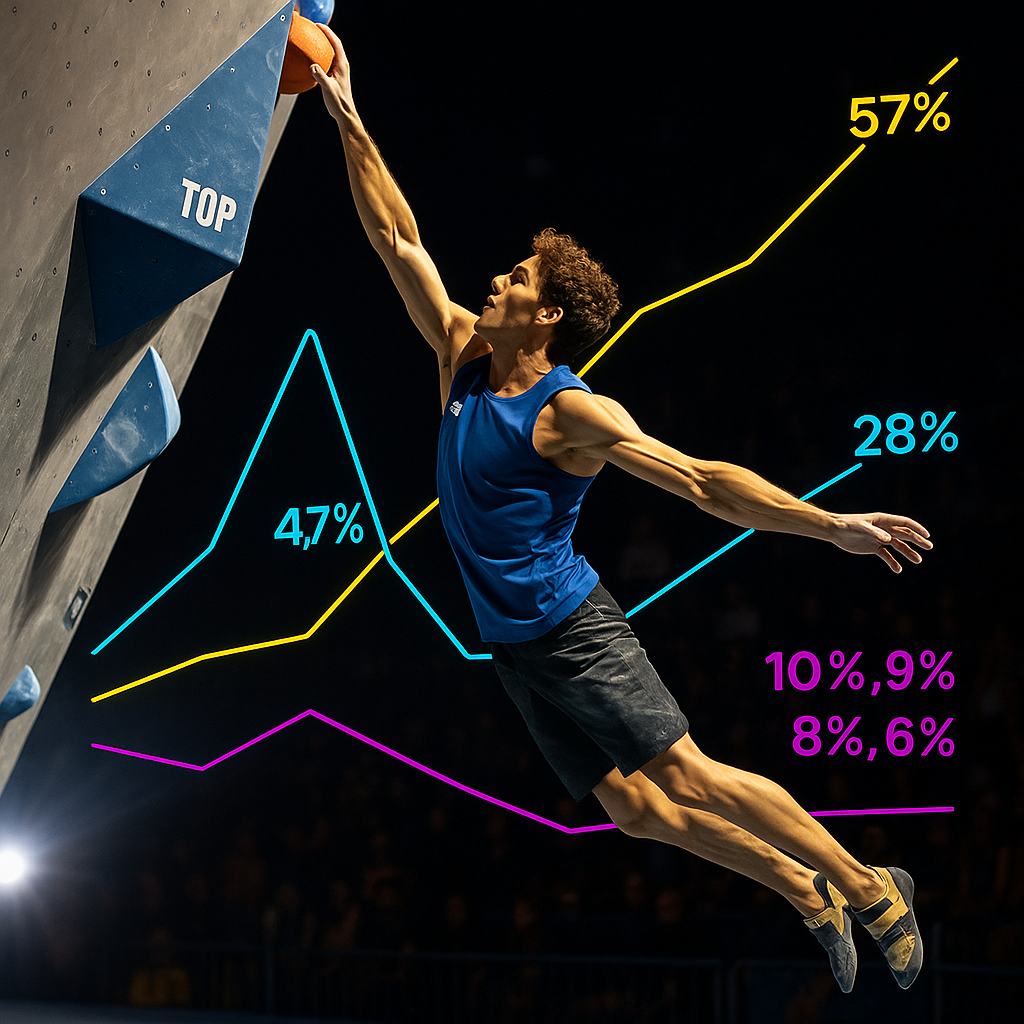
The Load Profile of Competition Bouldering: From Scientific Analysis to Training Application
Competitive bouldering places athletes under a uniquely intermittent load structure — short, explosive climbing efforts repeated with incomplete recovery, layered between long rest periods across rounds. This rhythm shapes not only the mechanical demands of
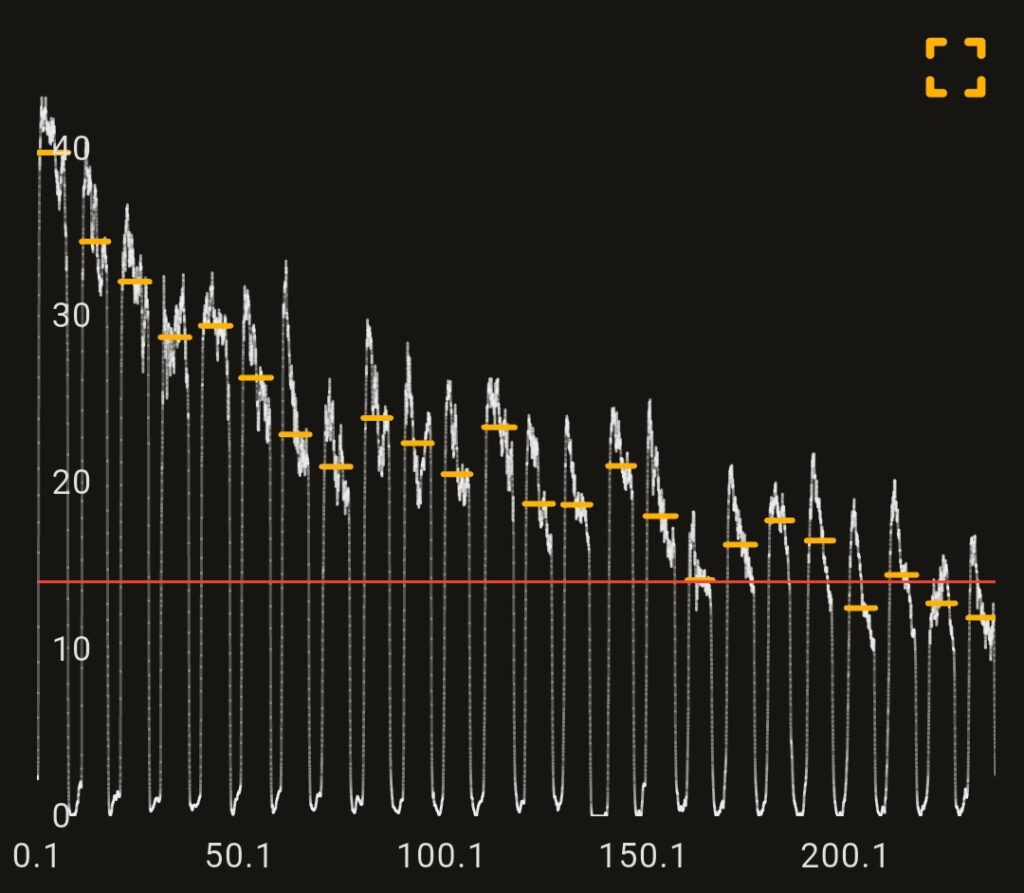
Critical Force in Climbing: Concepts, Measurement, and Practical Applications
Critical Force (CF) represents one of the most promising frameworks for quantifying fatigue resistance and endurance capacity in climbing. Extending the concept of critical power from endurance sports to climbing-specific isometric tasks, CF defines the

Does Protein Intake Timing Matter in Climbing Training?
Protein Timing in Climbing: Does It Matter? Current evidence indicates that total daily protein intake (1.2–2.0 g/kg/day) is the primary determinant of muscle hypertrophy, strength, and recovery in climbers. While nutrient timing around exercise shows
The effects of two maximum grip strength training methods using the same effort duration and different edge depth on grip endurance in elite climbers
Fingerboard training has been shown to improve finger strength and endurance. Load is the most important training metric to increase maximum strength. Load can be manipulated on the fingerboard either by reducing the edge depth,
Gaining more from doing less? The effects of a one-week deload period during supervised resistance training on muscular adaptations
Deloading is a commonly applied strategy, although there’s little empirical evidence analyzing its effects in subsequent training cycles. This study therefore aims to analyze whether including a one-week deload period influences muscle growth, strength, endurance,
Exploring the Dose-Response Relationship Between Estimated Resistance Training Proximity to Failure, Strength Gain, and Muscle Hypertrophy: A Series of Meta-Regressions
One parameter that recently gained interest in strength & hypertrophy training is proximity to failure. It describes when to end a set. This metaanalysis provides a more nuanced understanding of how different proximities to failure
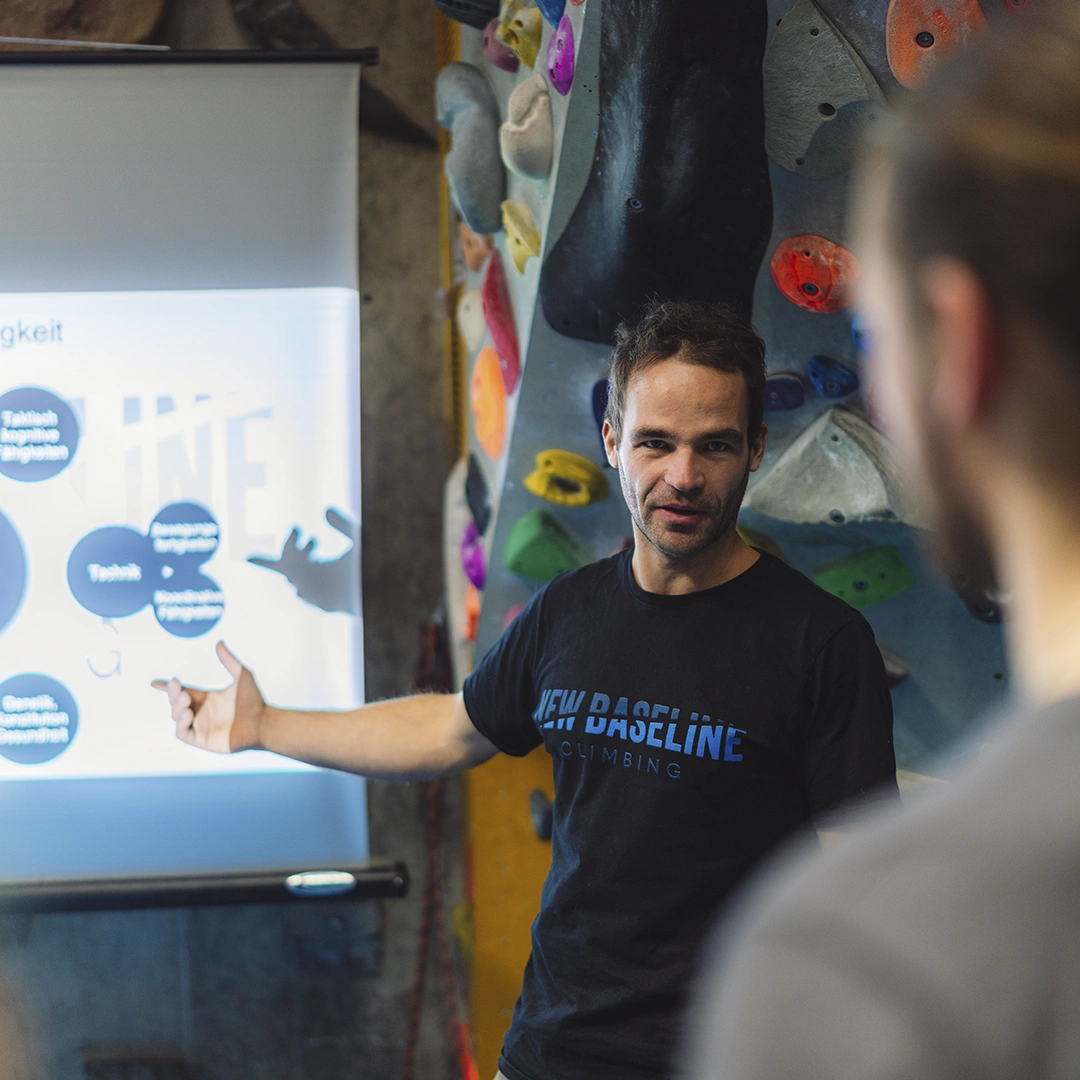
ABOUT US
New Baseline combines cutting-edge science with practical expertise to revolutionize climbing training. Inspired by the renowned boulder problem New Base Line, we offer accessible research summaries, personalized training programs, and evidence-based workshops tailored to climbers and coaches of all levels. Led by elite climbers and researchers Marvin Winkler and Sebastian Halenke, our mission is to bridge the gap between scientific knowledge and its real-world application, empowering the climbing community to reach new heights.
SUPPORT OUR WORK
Help us keep climbing resources free for everyone. Every contribution counts!


